

Buying your first home is an exciting milestone, but it can also feel overwhelming when you’re navigating the process for the first time. Between mortgage approvals, home inspections, negotiations, and closing costs, there are plenty of details to consider. Understanding common homebuyer mistakes before you begin can help you make confident, informed decisions and avoid unnecessary stress along the way.
As a real estate professional, one of my favorite parts of what I do is educating and guiding first-time buyers through this process. My goal is to help you understand not just what happens during a transaction, but why each step matters. With the right preparation and guidance, buying your first home can be an exciting experience rather than an overwhelming one.
If you’re just beginning your homebuying journey, be sure to check out my article, 10 Essential Tips for First-Time Homebuyers, for additional guidance on budgeting, mortgage pre-approval, choosing the right neighborhood, and preparing for homeownership.
Here are some of the most common mistakes first-time buyers make and practical ways to avoid them.
1. Shopping for a Home Before Getting Pre-Approved
It’s tempting to start browsing homes online as soon as you decide you’re ready to buy. While looking at properties is a great way to discover what you like, one of the biggest mistakes buyers make is shopping before understanding their financing options.
A mortgage pre-approval helps establish a realistic price range and shows sellers that you’re a serious buyer. It also gives you an opportunity to discuss loan programs, interest rates, down payment requirements, and estimated monthly payments with a lender.
My advice: Connect with a trusted mortgage professional before scheduling showings. You may discover that you qualify for programs designed specifically for first-time buyers, including down payment assistance and homebuyer grants.
In the Rochester area, programs such as the Greater Rochester Housing Partnership’s Home Buyer Dream Program may offer additional opportunities for eligible buyers.
2. Focusing Only on the Purchase Price
One of the most common homebuyer mistakes is assuming the purchase price tells the whole financial story.
Owning a home involves more than making a mortgage payment. You’ll also need to account for:
- Property taxes and potential tax increases.
- Homeowners insurance.
- Utilities, including heating, electric, and water.
- Routine maintenance and unexpected repairs.
- HOA fees, if applicable.
- Mortgage insurance, depending on your loan.
- Closing costs and prepaid expenses.
A home that fits your purchase price may not necessarily fit comfortably into your monthly budget.
My advice: Work with your lender to calculate your estimated monthly housing expenses, not just your mortgage payment. Leave yourself some financial breathing room for the unexpected.
Beyond your mortgage payment, there are several expenses to consider when purchasing a home, so take a look at my article on The Hidden Costs of Homeownership You Need to Know About to better understand the ongoing costs of owning a home and how to prepare for them.
3. Forgetting About Additional Costs When Buying a House
Beyond your down payment, there are expenses that come with purchasing a home that many first-time buyers don’t anticipate.
These may include:
- Home inspection fees.
- Appraisal fees.
- Attorney fees.
- Title-related expenses.
- Survey costs, when applicable.
- Initial repairs, moving expenses, and furnishings.
Closing costs can add up quickly, so it’s important to understand what you’ll need to bring to the closing table.
My advice: Ask your lender for a detailed estimate of your closing costs early in the process. Your real estate agent can also help you understand which expenses are typically associated with purchasing a home in your area.
If you’re exploring ways to make homeownership more affordable, take a look at FAMforward ROC’s homebuyer assistance resources, which outline local programs offering down payment assistance, closing cost support, and flexible financing options for eligible buyers.
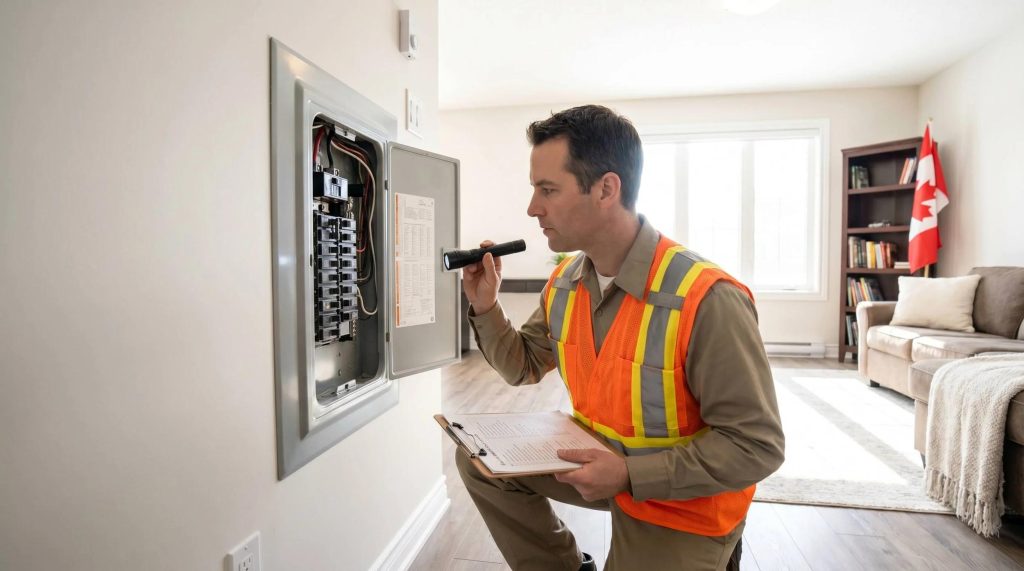
4. Skipping the Home Inspection
When buyers find a home they love, especially in a competitive market, they may feel pressured to make their offer more attractive by waiving the home inspection.
While every situation is different, skipping an inspection can leave you unaware of potentially expensive issues.
A professional home inspection can help identify concerns involving:
- Roofing and structural components.
- Electrical and plumbing systems.
- Heating and cooling equipment.
- Foundation and drainage.
- Attic insulation and ventilation.
- Signs of moisture or water intrusion.
An inspection doesn’t mean a home will be problem-free, but it provides valuable information to help you make an informed decision.
My advice: Understand your options before making an offer. An inspection is an important opportunity to learn about the property you’re considering purchasing. If you’re thinking about waiving or modifying an inspection contingency, make sure you understand the risks first.
5. Making Decisions Based on Emotions Instead of Facts
It’s easy to fall in love with a home. Maybe it has the perfect kitchen, a beautiful backyard, or the layout you’ve always imagined.
But buying a home is also a significant financial investment.
Some buyers become so emotionally attached that they overlook concerns, rush into decisions, or offer more than they’re comfortable paying.
On the other hand, some buyers become so afraid of making the wrong decision that they pass up homes that genuinely meet their needs.
My advice: Establish your priorities before you start looking. Separate your must-haves from your nice-to-haves, and determine the features you’re willing to compromise on.
I also encourage buyers to look at comparable sales and current market conditions before deciding what to offer. The goal is to make a competitive offer without paying more than you feel the home is worth.
6. Making a Low Offer Without Understanding the Market
Everyone wants to get a good deal when buying a house. However, making an offer significantly below the asking price without understanding the property’s value or market conditions can sometimes work against you.
In a competitive market, an offer that’s too low may be overlooked, especially when a seller has other interested buyers.
Likewise, offering over asking price doesn’t automatically mean you’re getting a bad deal. It depends on the property’s condition, comparable sales, demand, and overall competition.
My advice: Review recent comparable sales with your real estate agent. Look at how quickly similar homes are selling, whether they’re receiving multiple offers, and how their final sale prices compare to their original asking prices.
A well-researched offer is often more effective than simply guessing what a seller might accept.
Making a strong offer doesn’t mean you have to overpay, so check out my article on How to Make a Competitive Offer Without Overpaying for practical strategies to help you stand out in a competitive market while staying within your budget.
7. Not Considering the Future
Your first home doesn’t have to be your forever home, but it’s important to think beyond your immediate needs.
Consider how your circumstances might change over the next several years.
- Will you need additional bedrooms or living space?
- Is the location convenient for work and daily activities?
- Is there room for a home office?
- Will the yard and maintenance requirements fit your lifestyle?
- Are you comfortable with the property’s potential resale appeal?

You don’t need to predict every future change, but considering your longer-term plans can help you make a decision you’ll feel good about.
My advice: Think about how you realistically expect to use the home over the next three to five years. A little planning now can help prevent buyer’s remorse later.
8. Making Major Financial Changes Before Closing
One of the most overlooked first home tips is to keep your finances as consistent as possible between mortgage pre-approval and closing.
Even after your offer is accepted, your lender will continue reviewing your financial situation.
Avoid making major financial changes such as:
- Opening new credit cards or closing accounts.
- Financing a vehicle or purchasing furniture on credit.
- Making large unexplained deposits.
- Changing jobs without discussing it with your lender.
- Missing or making late payments on existing accounts.
These changes can affect your debt-to-income ratio, credit score, or final mortgage approval.
My advice: Before making any significant financial decisions, talk with your lender. Even if you think something is harmless, it’s better to ask first than risk delaying or jeopardizing your closing.
9. Not Reading or Understanding the Paperwork
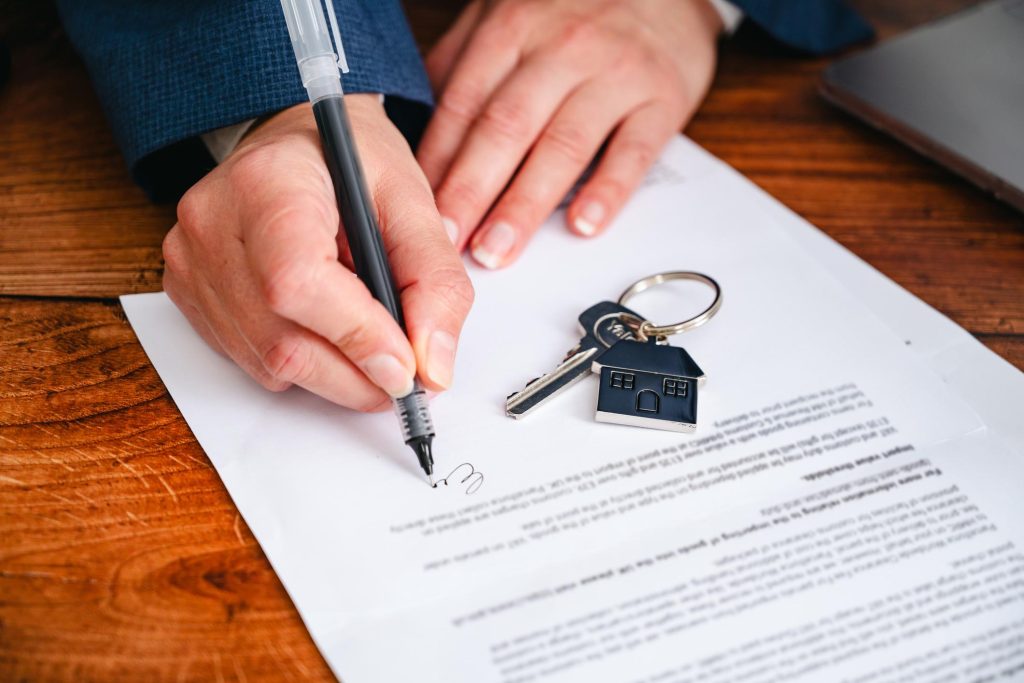
Buying a home involves a considerable amount of paperwork. From the purchase offer and disclosures to inspection reports and mortgage documents, there are many details to review.
Don’t feel pressured to sign something simply because you’re unfamiliar with the terminology or think you should already understand it.
Your real estate agent should take the time to explain the documents, important deadlines, contingencies, and responsibilities involved in your transaction.
My advice: Ask questions! There is no such thing as a silly question when you’re making one of the biggest financial decisions of your life.
I believe an educated buyer is a confident buyer. Understanding what you’re signing is just as important as finding the right house.
10. Choosing an Agent Based Only on Convenience
Your real estate agent is more than someone who schedules showings and writes an offer. The right agent should be an advocate, resource, and trusted guide throughout the process.
Especially as a first-time buyer, you want someone who is willing to explain the process, communicate consistently, research properties, and help you understand your options.
A good agent won’t pressure you into buying a home. Instead, they should help you evaluate the pros and cons so you can make decisions that are right for you.
My advice: Look for an agent who values communication, education, and relationships. You should feel comfortable asking questions and confident that your best interests are being considered.
Final Thoughts: The Right Preparation Makes All the Difference
Buying your first home is a big step, and it’s perfectly normal to have questions along the way. The key to avoiding common homebuyer mistakes is preparation, education, and having the right professionals in your corner.
Take your time, understand your finances, ask questions, and don’t let the excitement of finding a home overshadow the importance of making a sound decision.
Whether you’re just beginning to explore homeownership or are ready to start scheduling showings, having someone guide you through each step can make all the difference.
Thinking about buying your first home in Rochester or the surrounding communities?
I’d love to help you understand the process, explore financing opportunities, and find a home that fits your needs and budget. My approach is simple: education first, clear communication, and guidance without pressure.
Because buying your first home should be about more than just finding a house. It’s about feeling confident in the decision you’re making.
Let’s turn your homeownership dream into a reality!

Recent Comments